Surface Finishing Cost Impact on Per-Part Price Across Common Processes
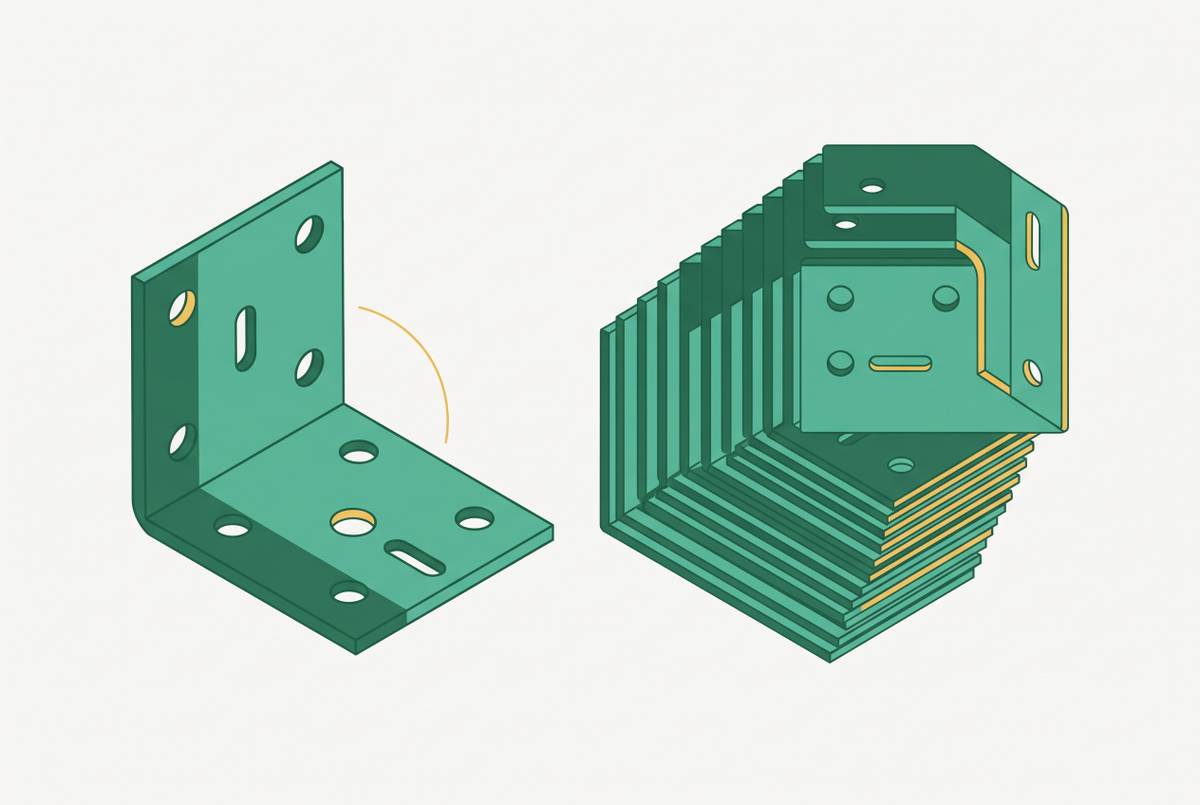
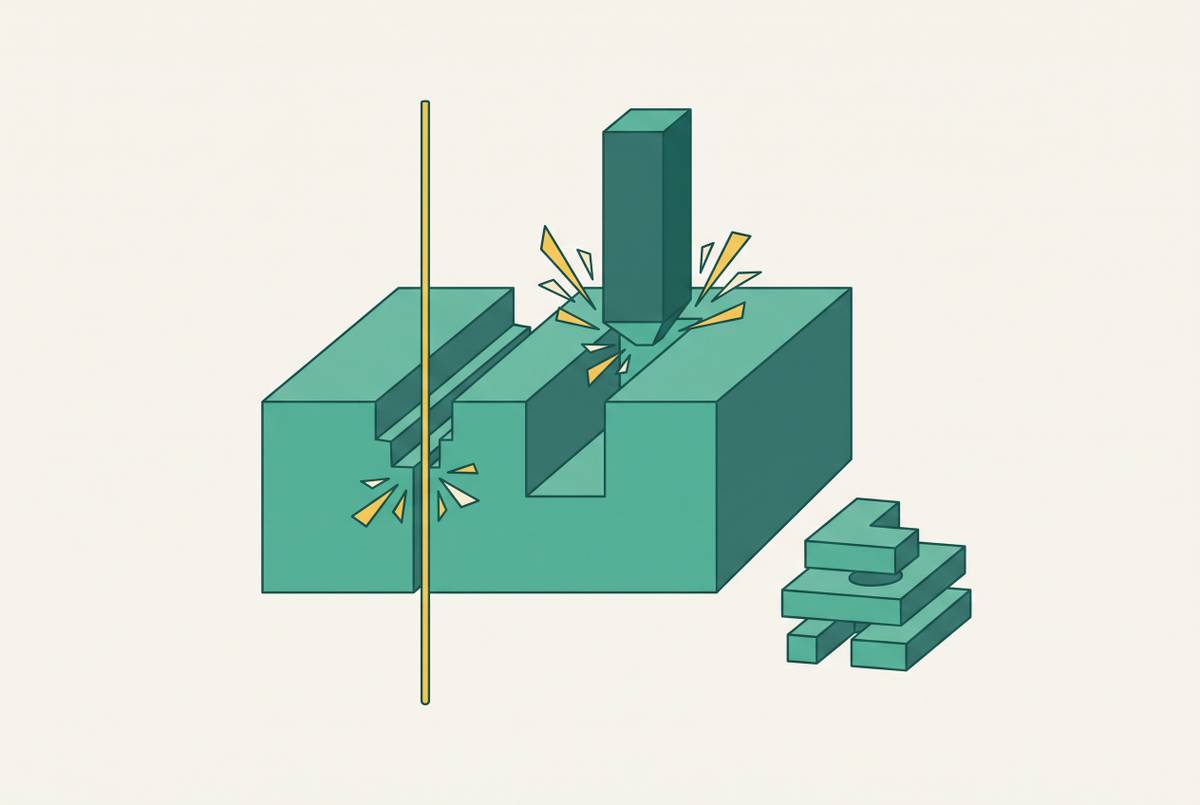
Machining and coating specifications both drive per-part cost before finishing appears on the quote.
Surface finishing changes the price of each part made through common manufacturing processes well before a coating appears on a quote. Its cost comes from two layers, namely what the manufacturing process must achieve and what the later treatment must provide. Engineers need to judge both against function and quantity, because a cheaper choice in one layer does not erase an unnecessary cost in the other.
Why surface finish is a cost multiplier, not a line item
The machining-stage Ra requirement and the post-process treatment impose separate costs, and each can become expensive on its own. The first controls the work needed to produce the surface. The second adds the work needed to treat it. By the time both appear in the final price, the part carries the combined cost of both specifications.
That distinction matters because a finish charge on a quote shows only part of the burden. The base part price may already include the extra machining needed to make a fine surface. A premium treatment then adds expense to that higher starting cost. Treating finishing as a single add-on hides the first layer and makes an over-specified part look cheaper to manufacture than it really is.
How the machining-stage finish spec drives cost before any coating is chosen
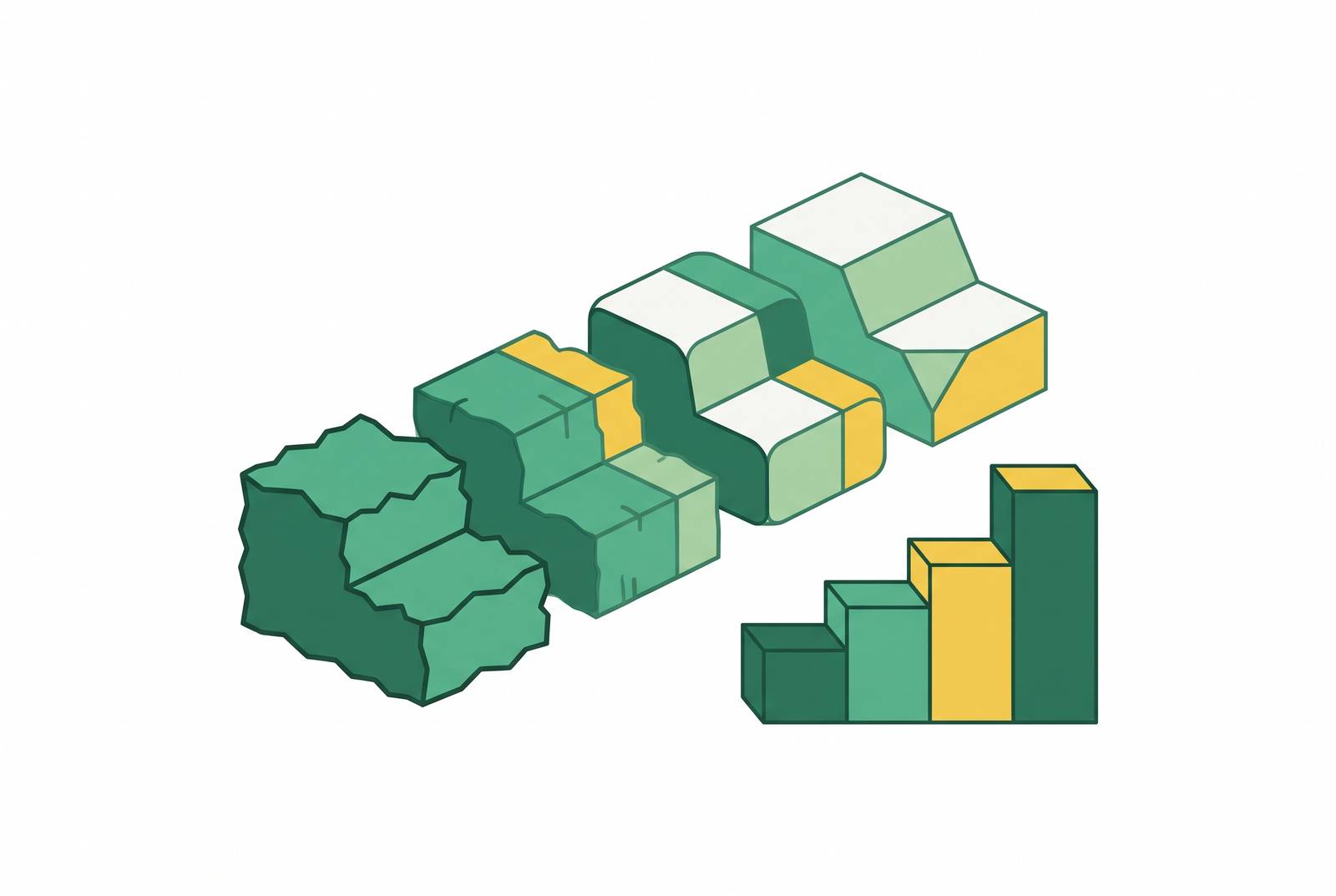
Standard milling and turning naturally produce a surface finish in the Ra 1.6–3.2 μm range. Finer finishes demand slower feeds, additional finishing passes, and sometimes grinding or honing. Those steps add to cycle time, so the finish requirement changes the price even when the part leaves the shop untreated. The cost curve is non-linear rather than a steady increase with every finer specification.
The steep end of that curve is especially important. Mirror finishes, with Ra below roughly 0.1 μm, require lapping, hand finishing, or specialized equipment. Their cost can reach multiples of the as-machined baseline. A small-looking change in the number on a drawing can therefore represent a large change in how the part is made.
Tolerance makes that burden heavier when it tightens at the same time as surface finish. The combination can require slower speeds and finer feeds during machining, then CMM verification to establish that the part meets its dimensional requirements. In extreme cases, the shop also has to pay for a climate-controlled environment. The exact penalty depends on the material and feature type, so there is no universal multiplier for a fine Ra callout. The rule is simpler than the cost model: avoid specifying Ra 0.8 μm where Ra 1.6 μm would do the job.
What post-process coatings add and why the range is so wide
Post-process treatments have different costs because they require different chemistry, equipment, labor, and handling. Deburring and sandblasting involve a different burden from anodizing, plating, or powder coating. QC inspection and packaging also contribute to the finishing total. Together, these operations take a larger share of cost on small or geometrically complex parts than on simple, large ones.
The base material also limits the available choices. Hot-dip galvanizing bonds metallurgically to steel, anodizing integrates directly into aluminum, and passivation works specifically on stainless steel. These are not interchangeable treatments that can be ranked by price without reference to the substrate. Choosing an incompatible treatment can create adhesion failures and rework costs.
Even when the method suits the part, its geometry can add work that the finish description alone leaves out. A hole, thread, sealing face, or contact area that must remain uncoated needs masking before treatment or rework afterward. That handling does not scale neatly with part size. A small part with several protected features can carry substantial finishing work, making masking a cost that is easy to miss at specification time.
How finishing cost behaves across CNC machining, sheet metal, and carbon fiber
In CNC machining, finishing takes a growing share of total part cost as requirements become more demanding, reaching up to 30% depending on the specification. Bead blast, anodize Type II, hard anodize Type III, electroless nickel, chromate conversion, passivation, and powder coat carry different per-part add-on costs. Hard options cost meaningfully more than standard ones. Those charges come after the cost of cutting the part has already risen to meet any fine Ra requirement.
For sheet metal, finishing takes a larger share of the base part cost than it does in CNC machining. The cost per square foot varies widely across galvanizing, powder coating, and electroplating, so the choice of treatment can make a big difference to the final price. The decision is a trade-off between corrosion resistance, budget, and aesthetics. Too little protection risks premature failure, while more protection than the application needs creates unnecessary expense. Over-specifying bend-angle tolerances adds a separate fabrication penalty, showing that sheet metal also carries a manufacturing-stage layer before treatment begins.
With carbon fiber, or CFRP, the same costs are harder to see because surface quality can change yield without showing up as a coating charge. Poor gloss uniformity increases scrap, while rework and waste raise the cost of acceptable parts. Compression molding gives parts excellent surface finish and dimensional accuracy but has high tooling cost, while forged carbon composite costs less for medium-to-high production runs and gives the surface different characteristics. For CFRP, the finish decision is embedded in how the part is made, and a quote without a separate finishing line can still carry a substantial surface-quality cost.
Anodizing versus powder coating on aluminum: where the process choice actually splits the cost
For aluminum parts, comparing “anodizing” with powder coating requires specifying the required finish type. Type III hard anodize costs meaningfully more than Type II because it requires longer process time and heavier oxide build-up. Before comparing it with powder coating, the engineer needs to establish what the treatment must provide. Otherwise, the price comparison may put a premium requirement against a less demanding one without acknowledging the difference.
The two practical levers are batch scale and part geometry. In both processes, features that need protection add work because they need masking or post-process rework. Small, detailed aluminum parts with holes, threads, sealing faces, or contact areas can become expensive to anodize when those features must remain uncoated. The drawing needs to make clear which surfaces receive the finish and which do not.
At small batch quantities, powder coating is lower cost. At large batch quantities, it still provides the best value on cost, although anodizing becomes more cost-competitive. Compare the cost at the intended run quantity.
How prototype quantities amplify finishing cost and what changes at scale
Finishing costs more per part for prototypes because very few pieces share the setup work. Process preparation, masking labor, bath initiation, and QC inspection all contribute to the burden of a small run. The treatment itself does not have to change for the unit price to rise. A prototype quote therefore reflects batch economics as well as the chosen finish.
The drop from prototype to production cost is steepest where fixed setup costs are high relative to variable per-part costs. Hard anodizing, electroless nickel, and electroplating follow this pattern more sharply than simpler mechanical finishes such as sandblasting. Larger quantities spread preparation costs more widely, but they do not remove the work required on each individual part. Masking and other handling requirements still matter after the setup burden falls.
The practical response is to evaluate the finish specification against anticipated run quantity before committing the design files. A finish that makes economic sense in production can be punishing in a prototype batch. One option is to defer premium finishes and use a functional but cheaper stand-in for early prototypes. That only works when the surface finish is not itself a test variable, including adhesion, friction, or sealing performance. Where it is, the prototype premium is a necessary cost of the test requirement.
How specialty processes — springs, gaskets, tube bending — inherit finishing cost through inspection, not coating
For custom springs, gaskets, and bent tube assemblies, inspection can play the same structural role that coatings play on machined parts. Fabrication creates the part, and the finish requirement adds a quality-control burden beyond that work. The extra cost is expressed through inspection rigor and lead time rather than necessarily through a visible coating charge. In these processes, finish and acceptance requirements cannot be treated as unrelated specifications.
For custom springs, the application sets the requirements for surface finish along with those for geometry, material, and performance. A tighter finish or material specification can trigger more intensive quality control on every unit. Murphy & Read Spring states that every custom spring goes through rigorous quality control to meet exact torque characteristics, load requirements, and dimensional tolerances. Getting the materials can also delay the start of fabrication. Western Spring states that specialty material procurement can add one to three weeks and that complex finishing sourced externally sits outside its base average delivery window.
Custom gasket quoting likewise depends on information that defines both production and acceptance. Cannon Gasket requests a drawing, material callout, and annual volume, then quotes pricing, tooling cost, sample parts, and lead time within one business day. Cannon Gasket gives typical shipping windows of 5–10 business days for prototype and first-article parts and 2–3 weeks for production runs from existing tooling. Those distinct windows make the stage of manufacture part of the quote.
Tube bending can also call for inspection through non-destructive examination. NDE can add weeks to the delivery window, while ambiguous finish or tolerance requirements create back-and-forth before fabrication begins. CRD Manufacturing identifies incomplete RFQs as the top delay driver and states that clear specifications reduce quoting time from days to hours. The consequence is that an unresolved finish callout can affect both price and schedule, even when no coating is being purchased.
Reading a quote through the finish cost lens: what to check before committing to a spec
Start with the requirement the machine must meet. Check whether the Ra specification is tighter than the function requires and whether its combination with tolerance forces grinding, lapping, or CMM inspection on every part. A slightly looser specification may avoid those operations, but only where the function allows it. DFM feedback at quote time is useful because it can expose these interactions before production requirements are locked. The aim is not the cheapest surface in isolation, but the least costly specification that does the job.
Then examine what the treatment must provide. Check that it suits the substrate and service environment, and weigh the corrosion resistance it offers against what it costs and how it looks. Identify protected surfaces that create masking work, and compare the finish at the intended batch quantity. For specialty processes, include the inspection requirements and lead-time effects in that same review.
Before files go to quote, treat surface finishing as two separate decisions with one shared purpose. Specify what the manufacturing process must achieve and what the later treatment or inspection must deliver. Evaluate each against function and quantity, and flag masking requirements and inspection triggers explicitly in the drawing. That is how a finish specification becomes a controlled engineering choice rather than a compounded premium discovered after the quote arrives.