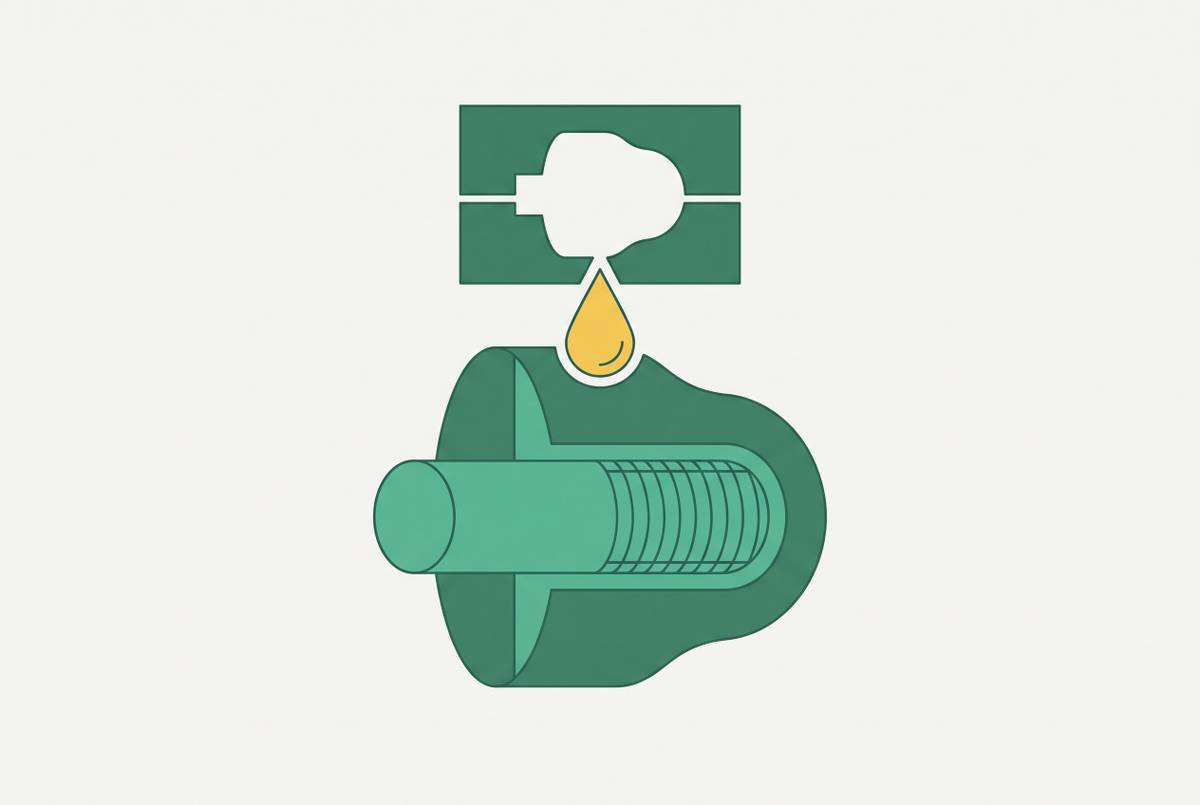
Urethane Overmolding and Insert Casting for Multi-Material Prototypes
Urethane casting methods let engineers test multi-material bonds before expensive tooling.
Marcus Tello
Urethane casting methods let engineers test multi-material bonds before expensive tooling.
Material choice hinges on how temperature, pressure, and chemistry interact, not separately.
Mismatched parameters at the RFQ stage cause costly assembly failures long after tooling cuts.
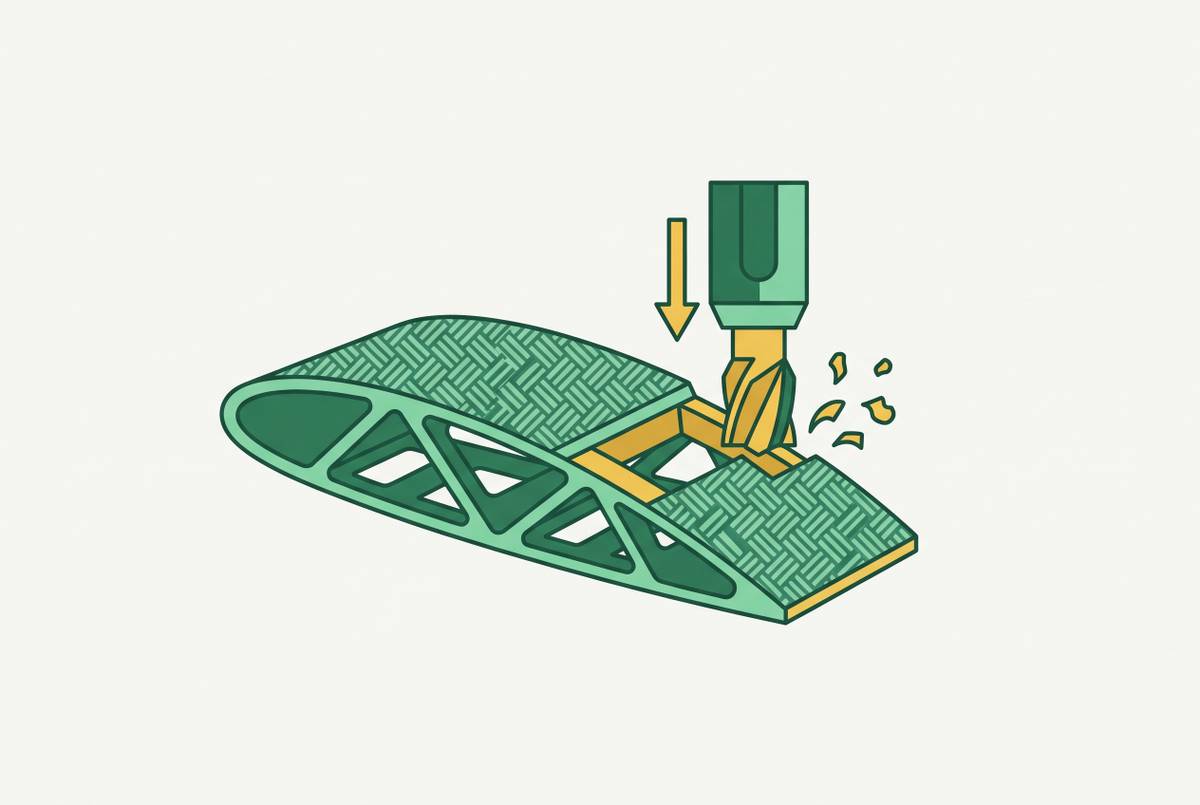
CFRP's weight savings vanish if machining constraints aren't engineered into design.
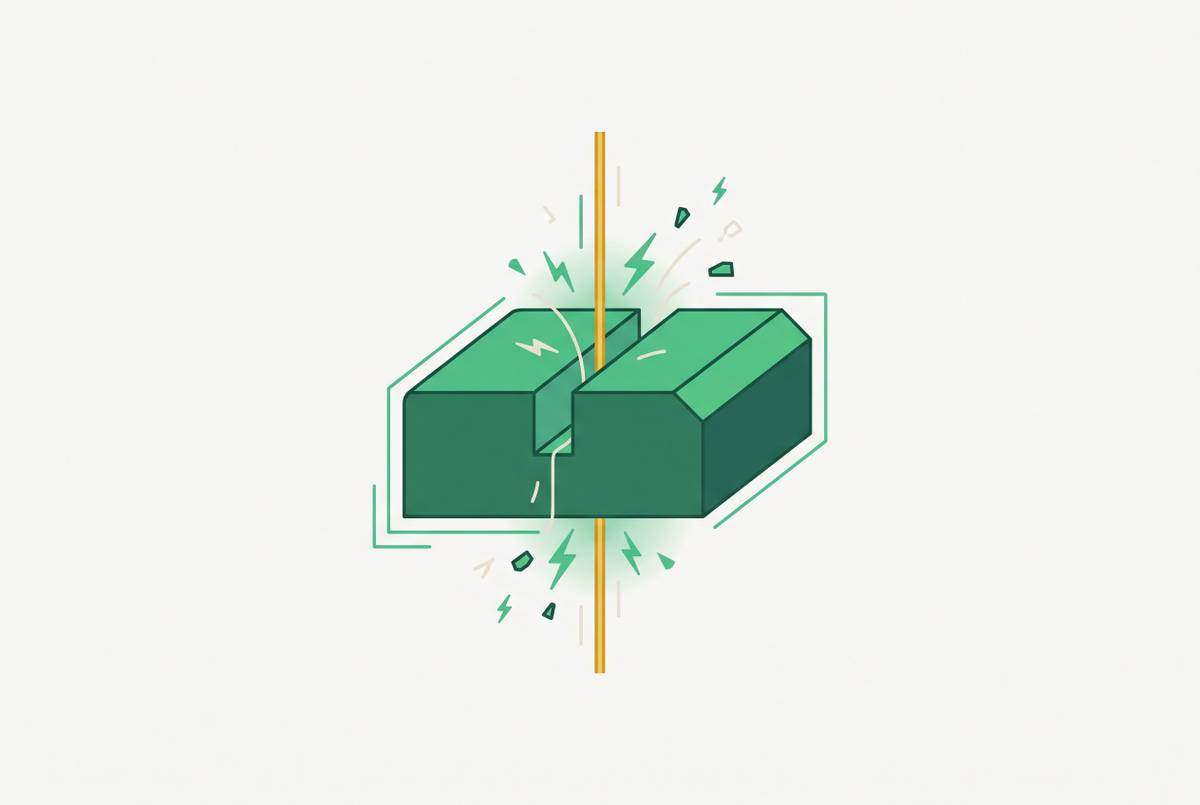
Wire EDM tolerances depend on material, pass count, and geometry—not machine specs alone.
Tooling cost and cycle time determine which process wins for your part geometry.
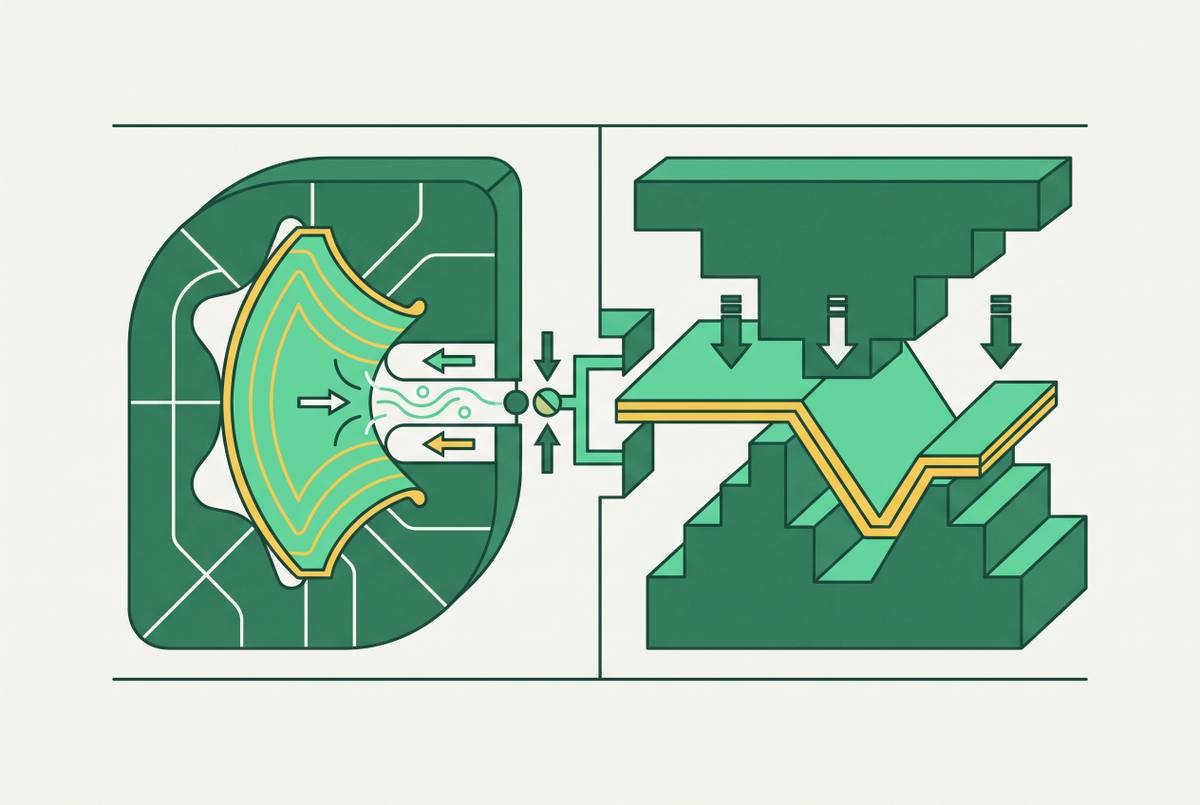
Roll forming handles harder materials and thinner walls where extrusion hits its limits.
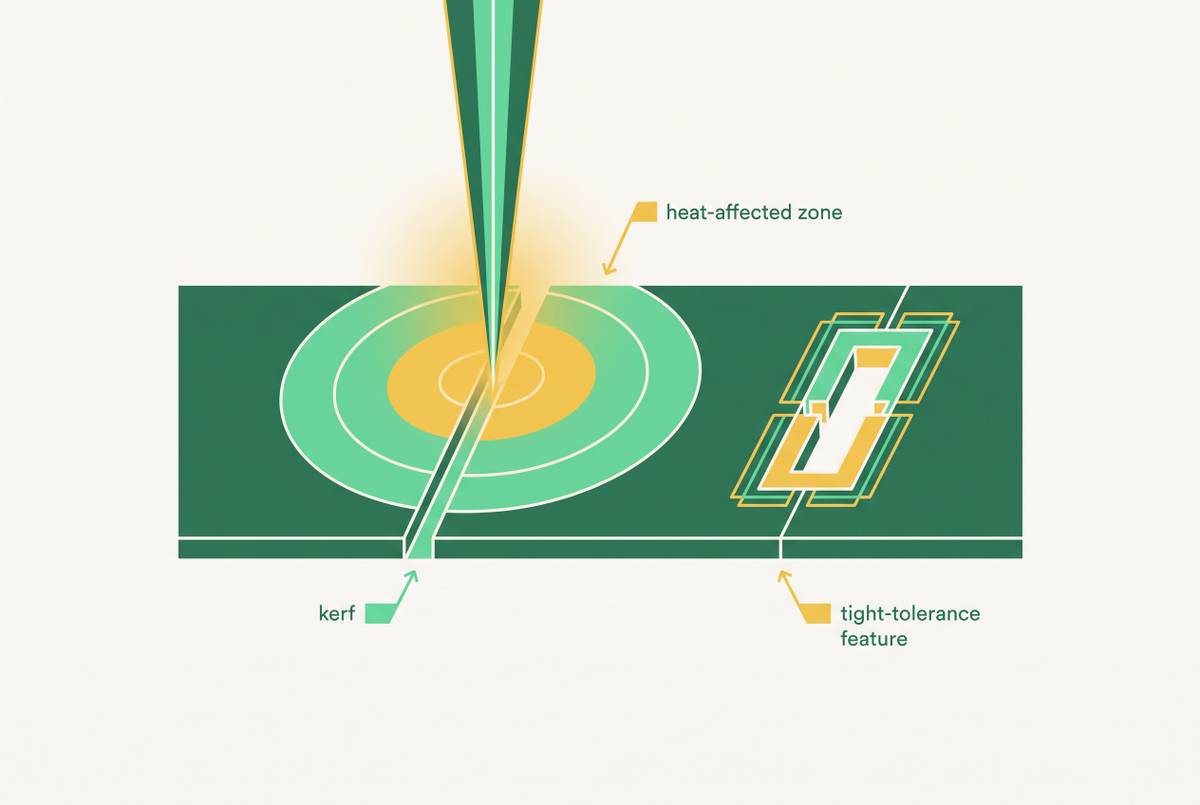
Kerf and heat-affected zone shift independently and demand separate control strategies in design.
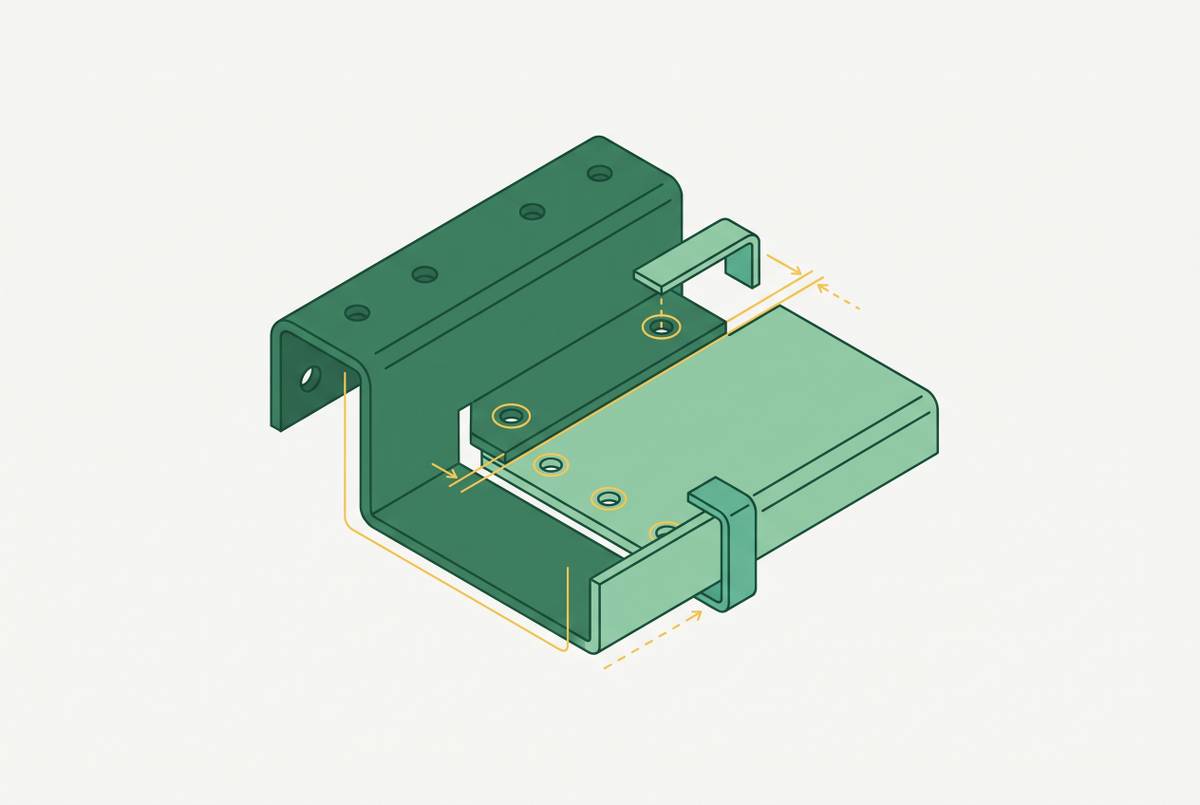
Match tolerances to each sheet metal process, not to a single blanket number across the drawing.
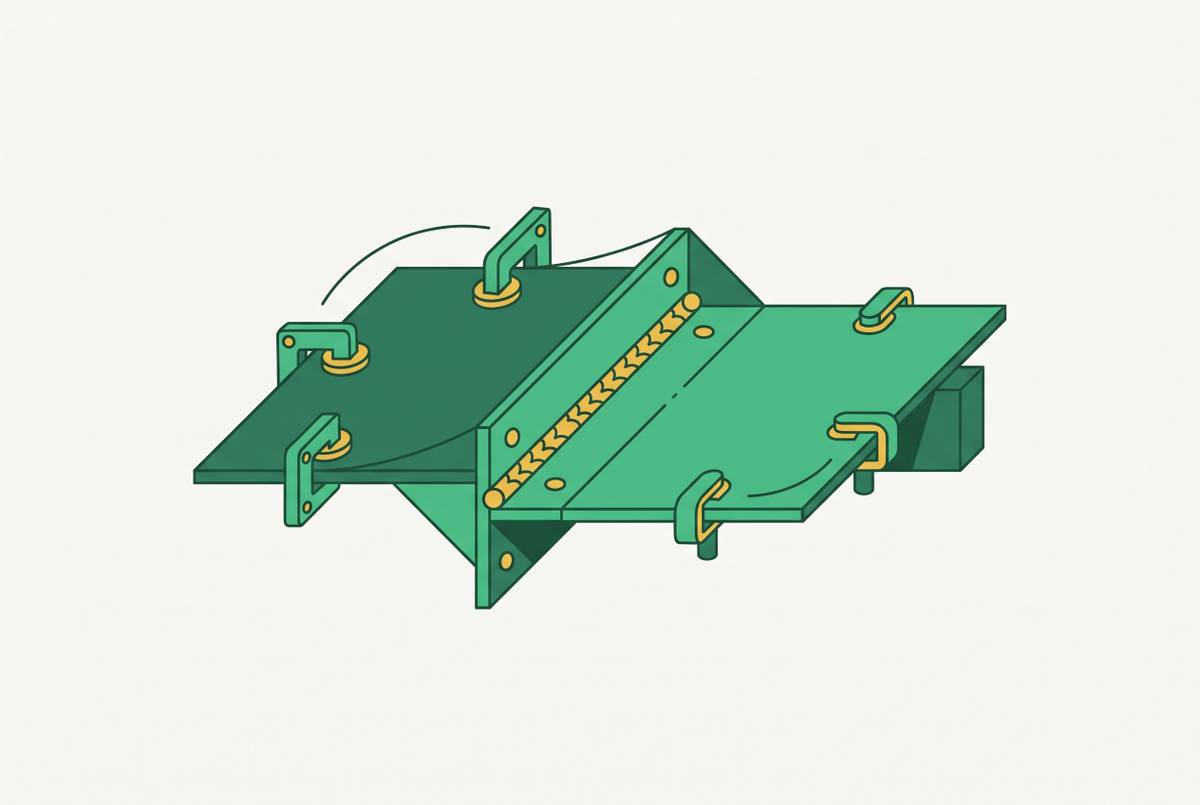
Design and process choices set distortion limits before welding starts.
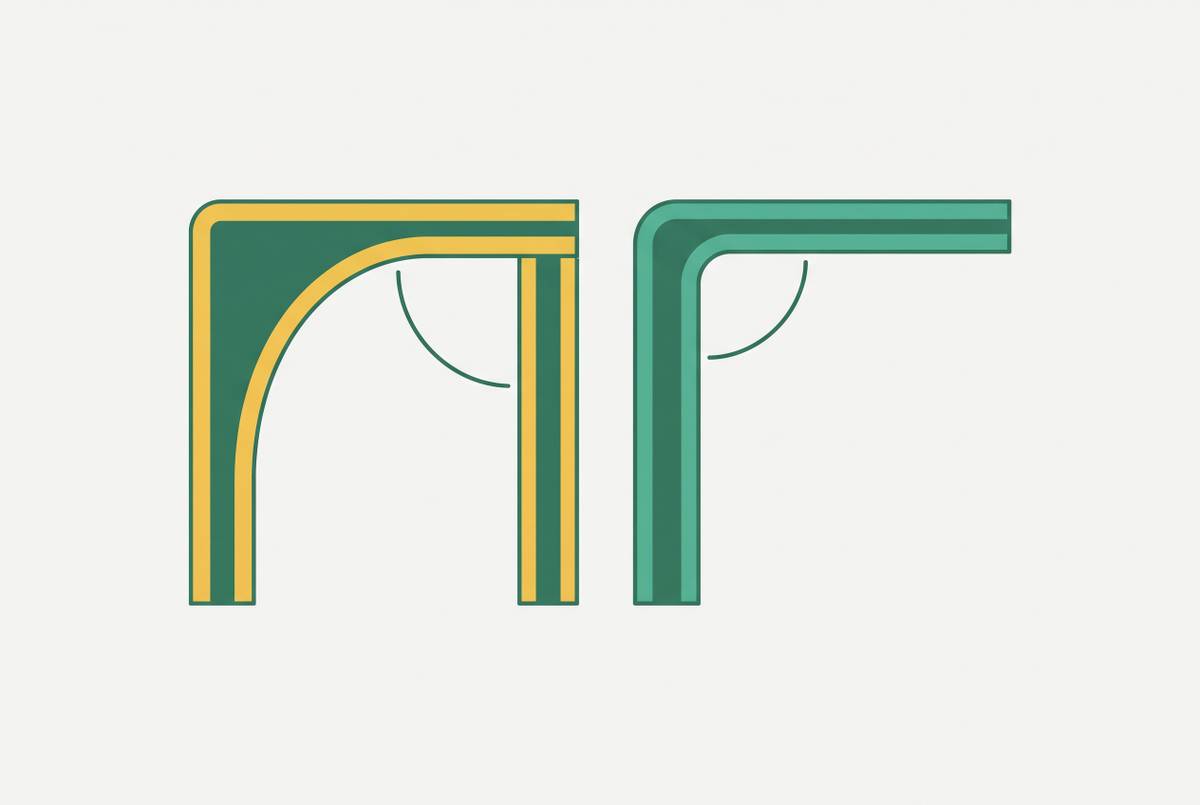
Tight bend radii crack parts unless you match alloy, temper, and grain direction to the press brake.
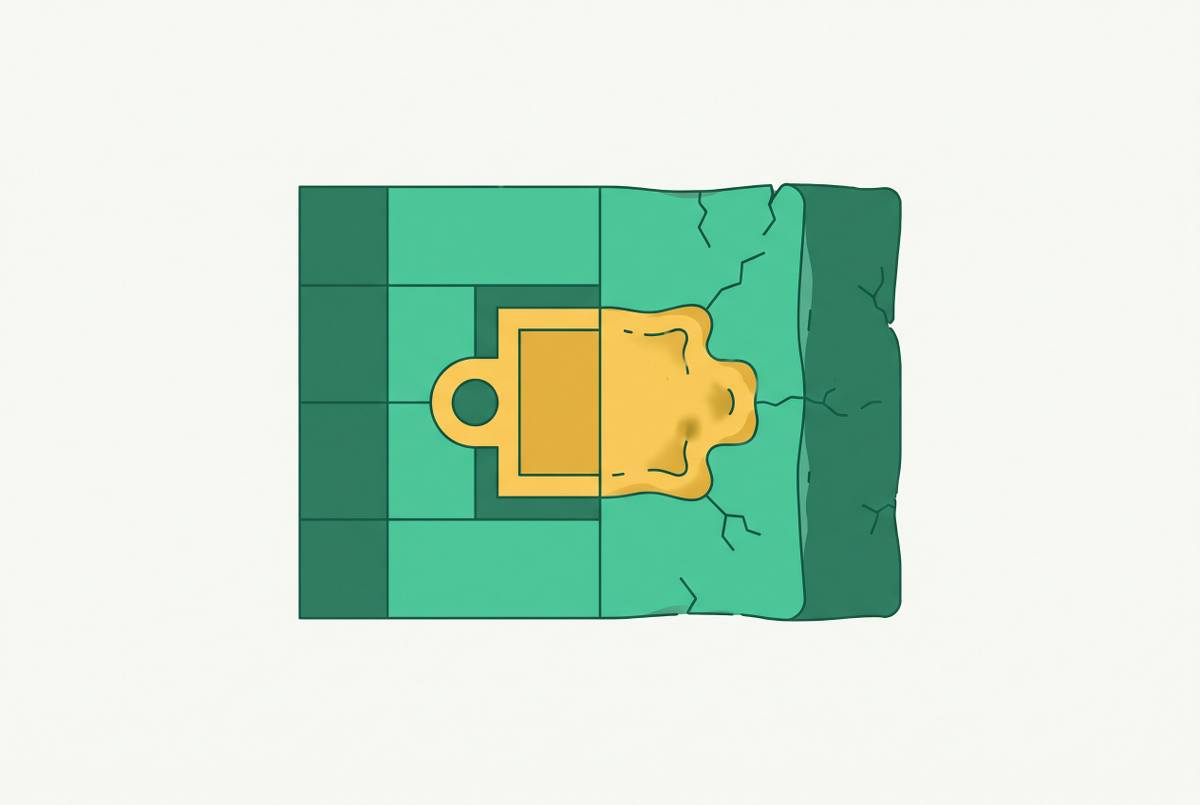
Mold lifespan follows a predictable degradation curve that lets you plan which parts to keep.